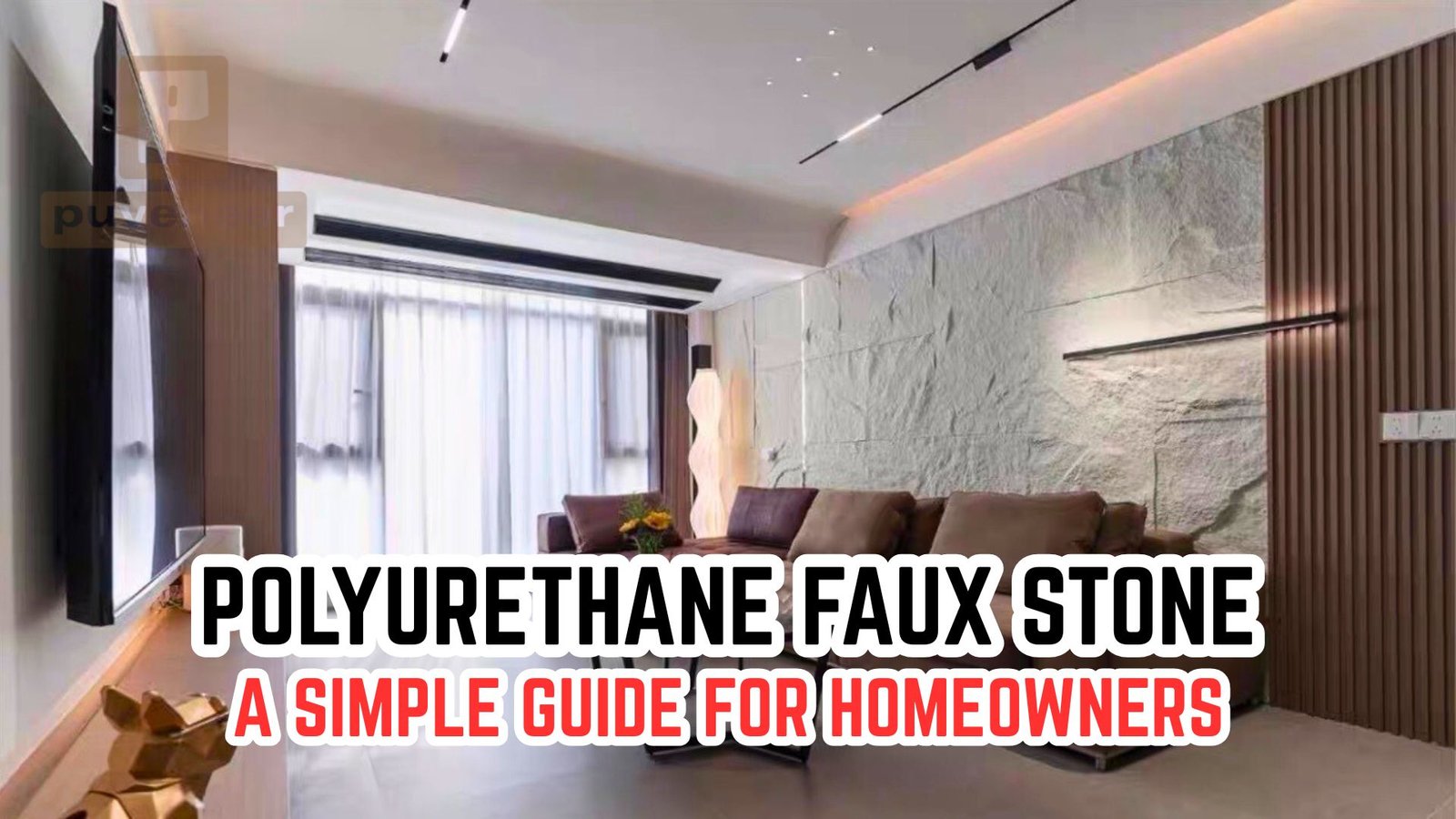
About 8 years ago, I walked into a home improvement store and saw some Faux Stone Panels for Walls that looked like stacked stone. I picked one up and almost dropped it because I expected it to be heavy.
Instead, it felt like a thick piece of cardboard, which made me curious about using faux stone panels for wall projects. Since then, I’ve installed them in my home, helped my friends with theirs, and learned what works and what doesn’t by seeing both good and bad installations.
Here’s what I’ve learned so you can save your money and your weekend.
What Faux Stone Panels Are and How They Work
Faux stone panels look like large stickers that mimic real rock, but they are not made from actual stone. Manufacturers create them by pouring liquid plastic into molds that imitate the textures of real stone. Once the plastic hardens, you get a panel that looks like fieldstone or river rock.
These panels typically measure about 4 feet wide by 2 feet tall and weigh about 5 pounds each, making them easy to carry. You can fit enough panels to cover an entire wall in your car without much effort.
I have installed these panels behind fireplaces, on accent walls in living rooms, and in a friend’s basement saloon.
When someone picks the right panel and installs it carefully, visitors often ask if it’s real stone. However, if someone rushes the installation or chooses low-quality panels, the result can look fake.
Materials Used in Faux Stone Wall Panels
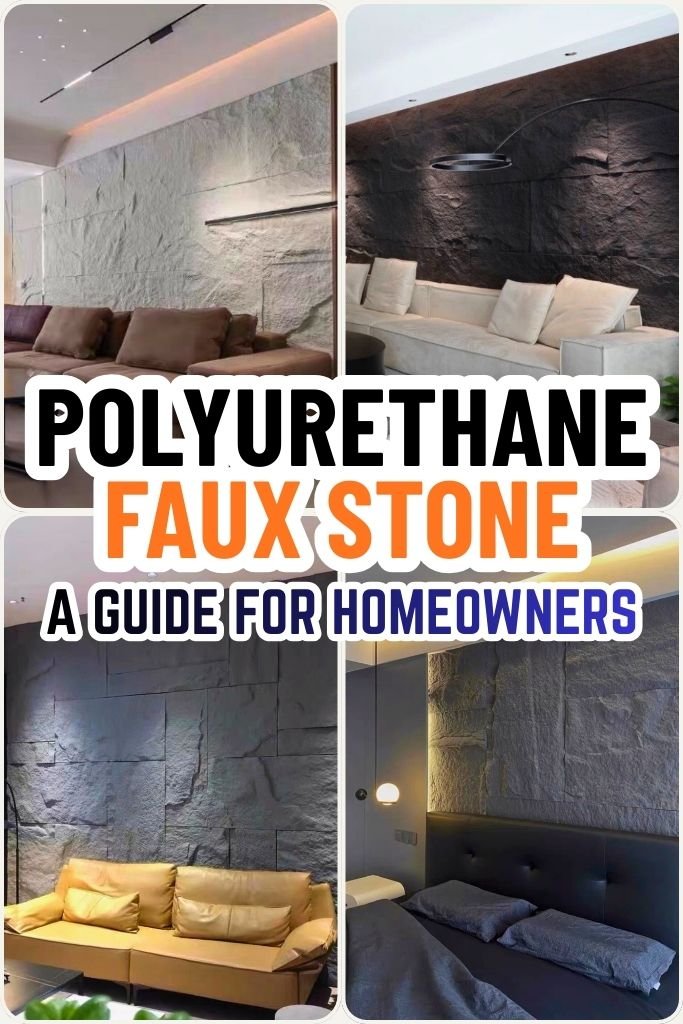
Most panels are made from polyurethane foam, which is similar to the material in couch cushions but much better. Some higher-end options use high-density resin, which feels almost like hard rubber.
To tell the difference between good panels and poor-quality ones, run your hand over the surface. Good panels have bumps, cracks, and uneven spots that you can feel.
The color changes from dark to light across each stone. Cheap panels feel smooth and shiny, like a photo of stone printed on plastic.
I once bought a cheap panel from a discount bin. It looked fine from a distance, but up close, every stone had the same highlight in the exact spot. That’s how you know it was made quickly and poorly.
Faux Stone Panels vs Real Stone: What’s the Difference?
Real stone looks better than fake stone every time. Genuine rock has a unique way of reflecting light. It feels solid in a way that plastic cannot match.
However, real stone is 3 times more expensive in my area. You usually need a professional to install it unless you are very experienced. The wall may also need extra support because stone is heavy. If you change your mind later, removing it will take days of demolition work.
You can install faux panels in just a few hours. You can cut them with a regular saw. They stick to the wall with construction adhesive. If you decide you don’t like the look in five years, you can take them down in just an afternoon.
So, the key question is not which looks better. The real question is whether the difference in appearance is worth the extra cost and effort for you.
Benefits You Should Know First
The speed is fantastic. Last summer, I helped my friend change her plain fireplace wall in just one morning. We started at eight and finished by noon, including cleanup.
Real stone would have cost me more, plus extra installation fees that could double that price.
Anyone can install them. My friend had never done any home improvement before. I showed her how to measure, cut, and stick the first panel. She finished the rest while I made coffee.
What Drives Me Crazy About Them
Some panels fade when exposed to sunlight every day. I watched a beautiful gray stone wall turn chalky white over two years because it faced a west window. The manufacturer claimed it was suitable for outdoor use, but direct sun ruined it.
Heat can be a problem, too. I have seen panels near fireplaces warp when used frequently. The packaging said they were heat-resistant, but that must have meant something different to the company than it did to my customer. Now there is a wavy spot right above the fireplace opening.
Also, these panels do not add any value to your home as real stone does. When I sold my last house, the appraiser did not care about my accent wall. It looked nice, but it did not increase the sale price.
How Real Faux Stone Panels Actually Look in a Home
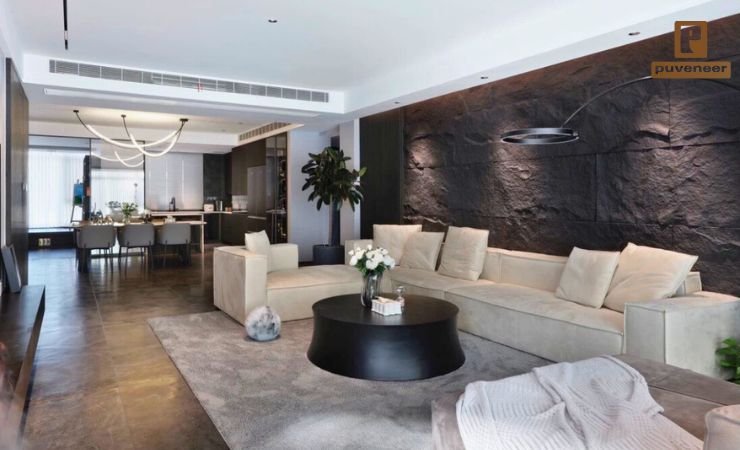
Accent walls in living rooms work well with these panels. They provide a focal point without overwhelming the space with fake stone on every wall.
Using them behind a TV adds depth and helps hide unattractive cables. The texture also breaks up the flat surface of drywall.
These panels are great in entryways, where you want to make a strong first impression. Guests see the textured wall right away, setting the tone before they even take off their coats.
Covered porches are another option, as long as rain and snow don’t hit the panels directly. I installed some on my back porch 3 years ago, and they still look good because the overhang protects them.
Are Faux Stone Panels a Smart Choice for Your Wall?
Stand about six feet away from the display panel. If you notice the same pattern every two feet, walk away. Good manufacturers mix up the stone placements, so you can’t see a pattern.
Look at the edges where the stones meet. On quality panels, the gaps between rocks have depth and shadow. On cheaper ones, the gaps look like just painted lines.
Check the back of the panel. It should feel sturdy, not flimsy. I can bend a cheap panel with one hand. Good panels barely bend.
Trust your instincts. If it looks fake in the store’s nice lighting, it will look worse on your wall with regular room light.
How to Install Faux Stone Panels Step by Step
First, I make sure the wall is flat and clean. Any bumps or holes will show through the panels, so I fix those first.
Next, I find the center of the wall and work outward from there. Starting in a corner can lead to misaligned cuts by the time I reach the other side.
I use construction adhesive designed for foam materials. The tube costs about eight dollars and covers around thirty square feet. Some people use nails or screws, but I prefer adhesive because it looks cleaner.
I press each panel into place, and it holds itself while the glue sets. I work one row at a time to keep everything level. A crooked first row can ruin the whole project.
Finally, the corners need trim pieces to look finished. I cut these at forty-five-degree angles so they fit together nicely. This part requires patience, but it’s worth doing correctly.
Installation Mistakes That Make Panels Look Fake
The biggest mistake is rushing the first panel. If that one goes up crooked or off-center, every panel after it will look wrong, too. I’ve helped friends start over because they didn’t check their level first.
Another problem is skipping the test fit. Laying your panels out on the floor before you use adhesive helps you see how the pattern flows, so you can commit before you apply glue.
Using too little glue can make panels pop off after a few months. I recommend running a continuous bead of glue around the edges and making an X pattern in the middle. It’s better to use a little more than not enough.
Don’t forget about outlets and light switches. You need to cut around these, and measuring twice is easier than ruining an expensive panel.
Cleaning, Care, and Long-Term Durability
I dust my panels every few weeks, like any wall, using a microfiber cloth. If they get dirty or something spills, I wipe them with a damp rag. No special cleaners are needed. I’ve never sealed or treated them.
The panels in my house are 5 years old and still look new. However, the panels in my friend’s sunny room turned white, but that was a quality issue, not a maintenance problem.
Safety, Heat, and Indoor Use Guidelines
Most panels are safe for regular indoor use. They don’t give off fumes or cause problems.
But for fireplaces, you must be careful. I only use panels rated for high heat near a working fireplace, and I always leave a clearance of at least six inches from the opening.
For bathrooms or damp basements, you should look for moisture-resistant panels. Regular panels can develop mold if water gets trapped behind them.
Always read the label before purchasing. If it doesn’t say where you can safely use it, ask someone or choose a different brand.
Faux Stone Panels Compared to Brick, Tile, and Other Options
Brick panels look flatter and more uniform. They suit industrial styles but don’t have the natural feel of stone.
Real tile offers more color options and lasts longer, but it costs more to install and requires real skill.
I’ve tried peel-and-stick stone wallpaper, and it peeled off within a year. It looks fake from day one, so don’t waste your money on it.
Faux stone panels are a middle ground. They aren’t the cheapest or the most expensive, and they are more realistic than other options.
Where to Buy Faux Stone Panels Without Overpaying
Big home improvement stores usually have these panels in the building materials section. I can see them in person and return them easily if needed.
Online retailers offer more styles and colors, but shipping costs can add up.
I always check the return policy first. Some stores won’t take them back once opened, which makes me hesitant to order online.
These panels won’t fool a stone mason, last 50 years, or increase your home’s value.
But they can transform a room quickly and affordably. I’ve used faux stone panels in three different homes, and I would do it again.
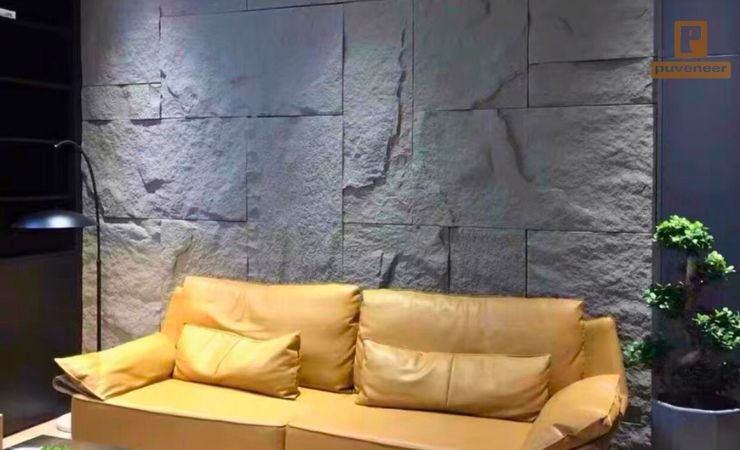
Just buy good Faux Stone Panels for Walls, install them carefully, and use them in the right places. If you know what to expect, you’ll be happy with how they look.