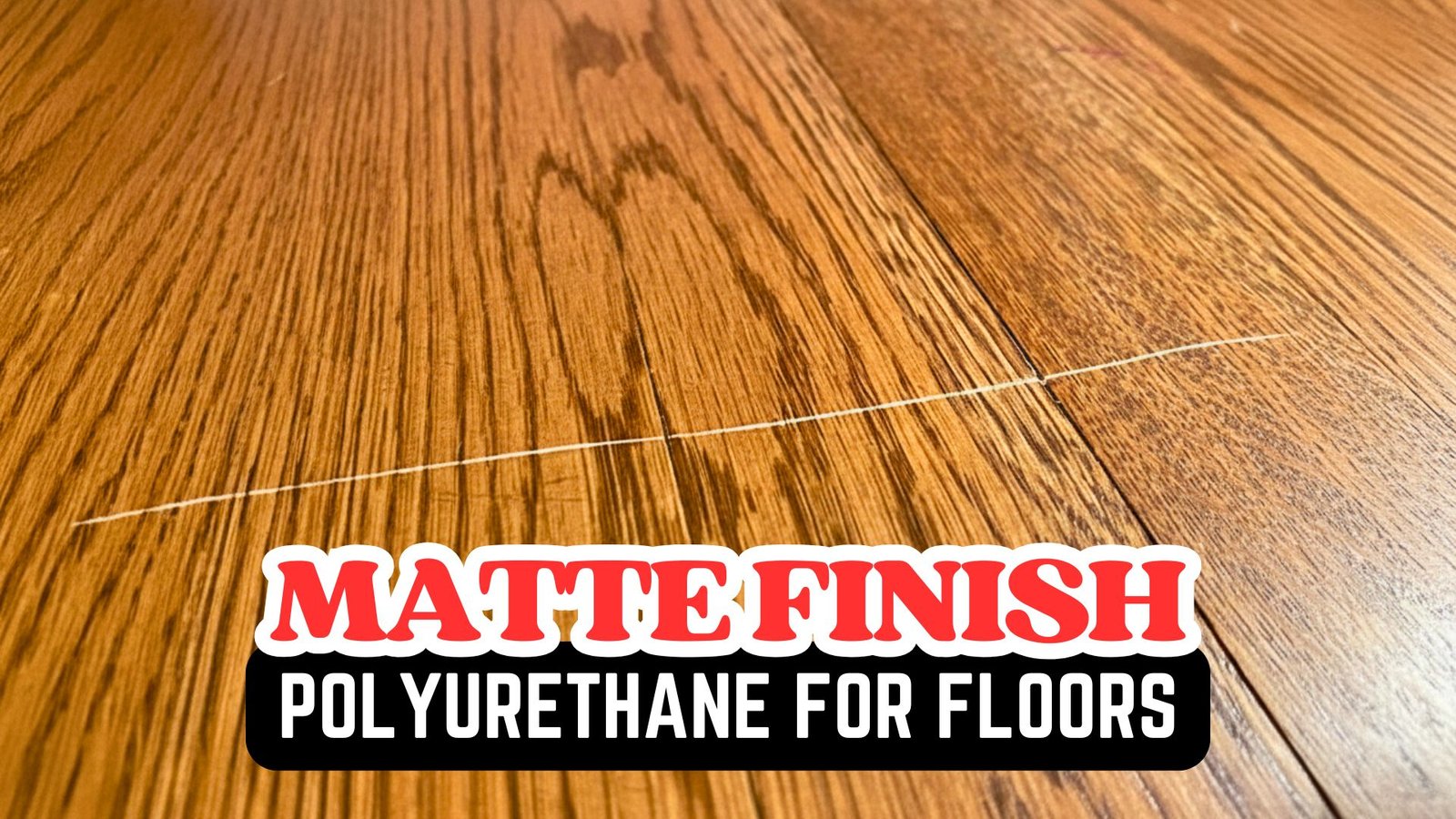
I used matte finish polyurethane on my floors 3 years ago. My cat runs on it every day, and my kids drop things on it all the time. It still looks better than the shiny floor I had before.
In this guide, I will share what I learned so you don’t make the same mistakes. I will explain what matte polyurethane is, how to choose the right type, and how to apply it correctly.
I will also include cleaning tips to keep it looking good and highlight common mistakes that can cost a lot of money to fix. No fluff. Just practical tips from someone who has done this many times.
What Is Matte Finish Polyurethane
Polyurethane is a protective coating for wood floors. It is available in different gloss levels: matte, satin, semi-gloss, and high-gloss. Matte finishes reflect 10-25% of light, satin reflects 30-40%, semi-gloss reflects 60%, and high-gloss reflects 80% or more. Matte finishes scatter light, creating a soft, non-bright shine.
Manufacturers add agents to liquid polyurethane to reduce light reflection, but these can settle at the bottom. If you don’t stir matte polyurethane before use, you may end up with a glossy finish from leftover matte particles, which can create shiny streaks. Always stir before pouring, and avoid shaking the container to prevent bubbles that could ruin the finish.
A shiny finish does not make a floor stronger; that is a misconception. The strength of a floor comes from the type of resin used, the amount of solids it contains, and how it cures, not its appearance. A matte polyurethane finish can be just as durable as satin or gloss.
For example, my matte floor has lasted three years with a cat, kids on scooters, and furniture moving around, showing only minor scuffs in busy areas that are hardly noticeable.
Pros, Cons & Real-World Performance
Matte finishes look like raw wood and create a calm Scandinavian style. They show off the grain without shine and hide scratches well, making them great for homes with pets or kids.
However, applying matte poly evenly can be hard. If you overlap your strokes, you might see dark spots. Touch-ups can be tricky and may require redoing the entire board. The costs are similar to those of satin finishes, but mistakes can result in greater waste.
Matte finishes do a good job of hiding dust and scratches on light woods like maple, but they may show footprints on darker woods like walnut. Regular dry mopping is recommended.
Quick Decision Guide
- If you have cats or young kids, use matte polyurethane. It makes scratches less noticeable.
- For dark-stained floors, choose satin polyurethane. It hides footprints better.
- If you plan to sell soon, pick satin polyurethane. Buyers prefer a little shine.
- If your floors are older and have dings, use matte polyurethane. It covers imperfections well.
- If you want low maintenance, choose matte polyurethane. It hides dust better.
How to Apply Matte Polyurethane
1. Preparation: Start with a clean, sanded floor. Vacuum the area thoroughly. Use a tack cloth with mineral spirits to remove any dust. The ideal temperature for applying the finish is between 60°F and 80°F. Keep humidity below 60%. Turn off any HVAC systems and close the windows to avoid dust and pests.
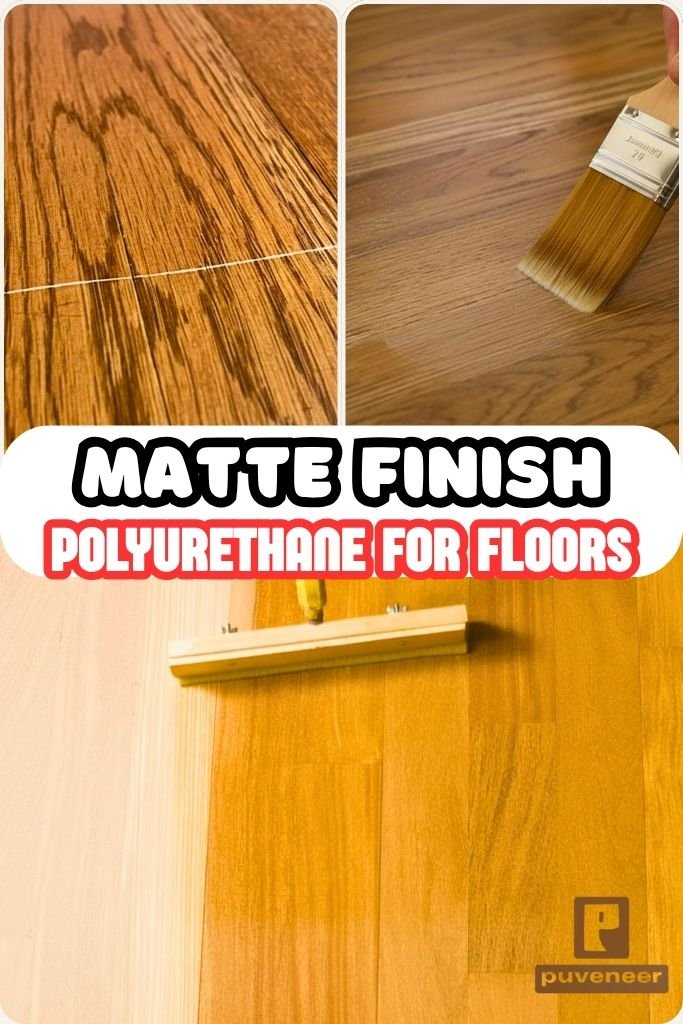
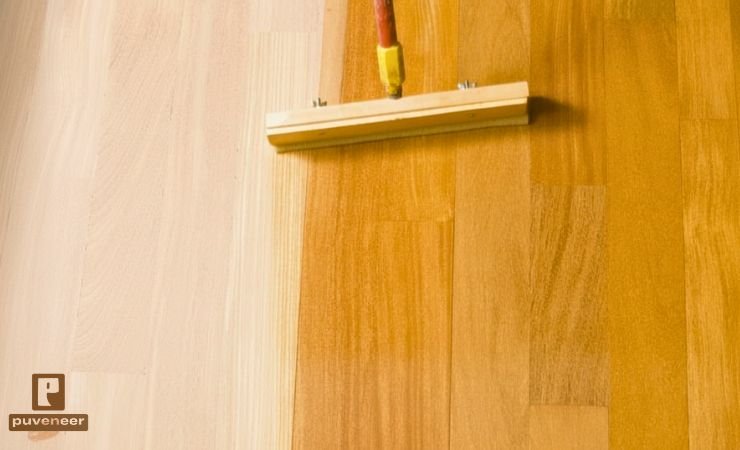
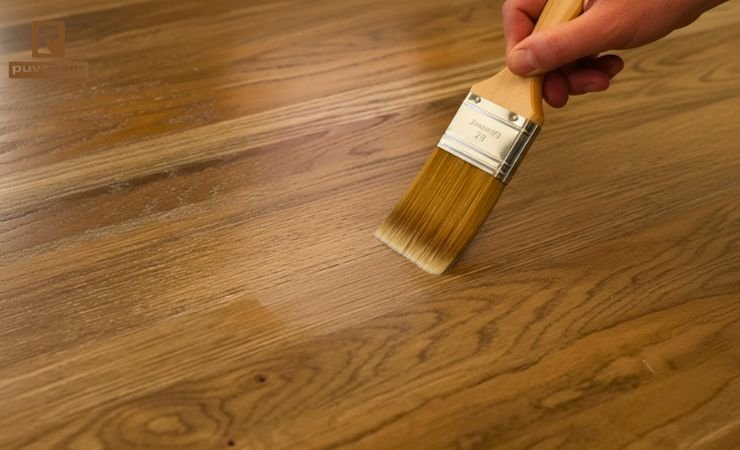
2. Application: Stir the polyurethane for 2 minutes, and keep stirring while you work. Use a lambswool applicator for most of the floor and a synthetic brush for the edges. Pour a line of polyurethane about six inches long on the floor. Apply it evenly in three-foot sections while keeping the edges wet.
3. Coats and Dry Time: Apply at least three coats. Lightly sand with 220-grit sandpaper between each coat. Vacuum and clean with a tack cloth before each new coat. You can apply all three coats of water-based polyurethane in one day. For oil-based polyurethane, apply one coat each day.
Wait 7 days before using the floor lightly and up to 30 days before placing heavy items on it.
Common Mistakes to Avoid
Not stirring enough: This is the main reason matte floors look uneven. The flattening agents settle at the bottom. If you don’t stir constantly, you’ll apply gloss in some areas and matte in others.
Applying coats too thick: Thick polyurethane can dry with bubbles, streaks, and soft spots that never harden fully. Thin coats dry harder and look better.
Walking on floors too soon: Socks can leave marks, and pet hair can stick. Wait the full time on the can label before applying the next coat. Also, wait until the curing time is complete before moving the furniture back.
Keep Matte Floors Looking Good
Daily and Weekly Cleaning Routine: I dry mop my matte floors every 2 to 3 days with a microfiber mop. Once a week, I damp mop using only water. I use enough water to pick up dust, but not so much that it leaves streaks. I wring the mop until it feels almost dry. Since matte polyurethane can show marks from dirty mop water, I change the water whenever it looks cloudy.
What Cleaners to Avoid: Avoid vinegar, as it can dull your polyurethane finish over time. Don’t use steam mops; the heat and moisture can seep under the finish, causing cloudiness and peeling. Stay away from oil soaps like Murphy’s, since they leave a film that can make matte floors look hazy and splotchy. Instead, use pH-neutral floor cleaners made for polyurethane finishes, or use water.
Frequently Asked Questions About Matte Polyurethane Floors
Does matte polyurethane yellow over time?
Water-based matte polyurethane stays clear forever. However, oil-based matte polyurethane tends to turn a warm amber colour over time. This change is more visible on light woods like maple.
Can I apply matte polyurethane over old polyurethane?
Yes, you can, but you need to prepare the surface first. Lightly sand the old finish with 180-grit sandpaper to help the new polyurethane stick. After sanding, clean the surface well before applying the new matte polyurethane. It will effectively cover the old finish.
How long does matte polyurethane last on floors?
In homes with normal use, matte polyurethane lasts about 7 to 10 years before needing to be reapplied. However, high-traffic areas might wear out faster. One benefit of polyurethane is that you can lightly sand the surface and apply a new coat without completely removing the wood finish.
Is matte polyurethane slippery?
No, matte polyurethane is not slipperier than satin or gloss finishes. However, it can be slippery if you walk on it in socks. Placing rugs and runners in certain areas can help reduce this issue.
Can I use matte polyurethane on stairs?
Yes, you can use matte polyurethane on stairs. I have it on my walnut stairs, and they look great. Just remember that dark matte stairs may show footprints more than satin-finished stairs.
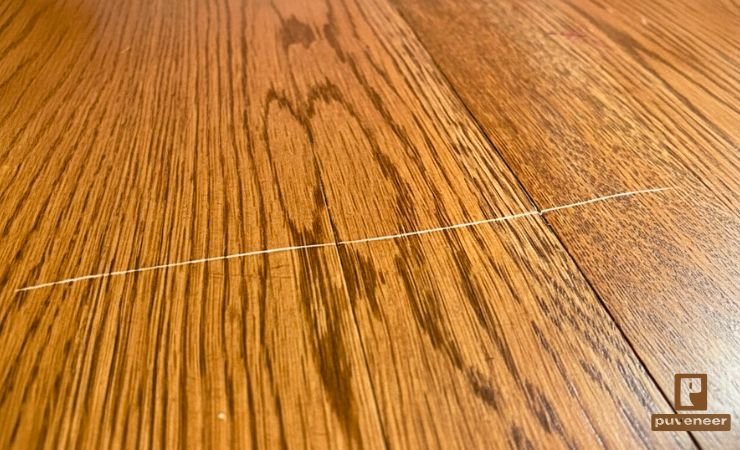
Matte finish polyurethane for floors can be tricky to apply, but it is easy to maintain. To get the best results, stir it well, apply it in thin layers, and clean it gently. These three rules cover most of what you need to know. My matte floors handle daily use and still look clean.
Now you know how to achieve the same results.