Many homeowners spend too much money on Polyurethane Faux Stone because they are influenced by marketing. Meanwhile, I’ve seen others upgrade their spaces for half the price of real stone.
The key difference is understanding how this material works and where it fits. I’ve installed myself, fixed bad work, and spoken with many contractors and homeowners about what succeeded and what didn’t.
Today, I’m sharing everything I’ve learned so you can make the right choice for your project. No sales pitch. Just my real experience.
What Are Faux Stone Panels Made From?
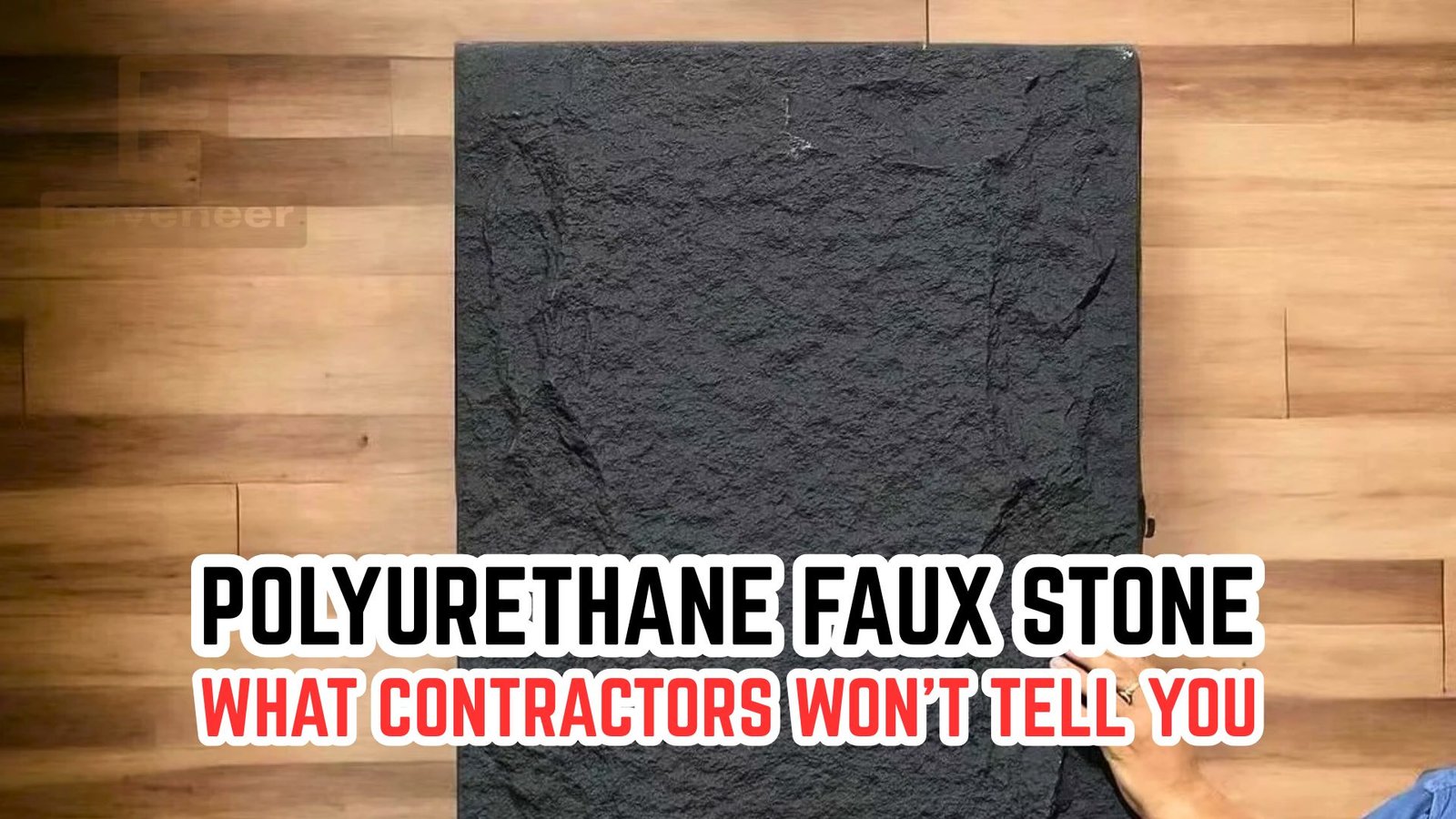
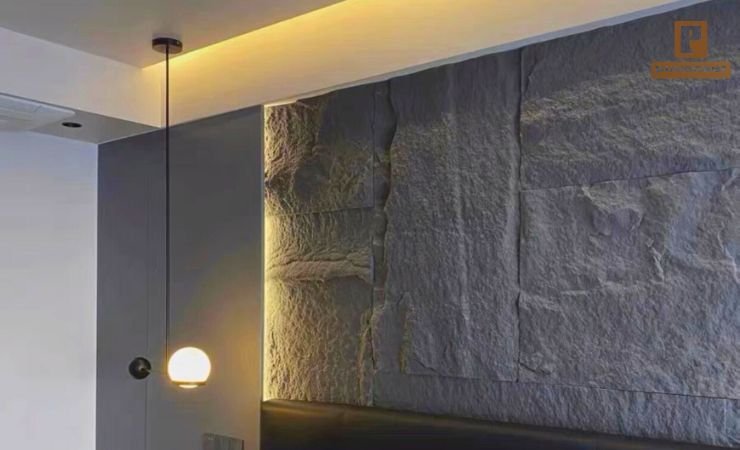
Polyurethane faux stone is a type of decorative wall covering. These panels replicate stacked stone or natural rock but are made from molded plastic foam.
You can glue them to your wall for a stone-like appearance. Keep in mind that they are only for looks. You cannot use them to build or lean heavy items against. They are meant to cover surfaces, not to provide support.
Manufacturers create these panels from strong polyurethane foam. They pour this liquid into molds that look like real stone. Once it hardens, they hand-paint each piece and add a protective coating.
Good brands use deep molds and multiple layers of paint. Cheaper brands might skip. I can spot the difference just by looking from across the room.
The mold creates the cracks and bumps you see. The paint gives it realistic color variations. The final seal protects against moisture and fading.
When I recommend panels, I always suggest checking the back. Thin, lightweight backs with shallow textures aren’t worth it. I prefer thicker panels with detailed molding. Those are the better choices.
Fake Stone vs Real Stone: Key Differences
1. Weight and Structural Requirements: Real stone is very heavy, weighing hundreds of pounds, so your wall needs strong support. In contrast, polyurethane faux stone is lightweight, weighing less than a gallon of milk per panel. Anyone can easily carry six panels at once. But remember, faux stone isn’t meant to hold any heavy loads.
2. Appearance and Realism: From five feet away, good-quality polyurethane faux stone can trick most people into thinking it’s real. The corners of faux stone panels often look too perfect.
3. Longevity Comparison: Real stone can last longer than your house. I’ve seen stone foundations from the 1800s still standing strong. Polyurethane faux stone lasts about 15 to 20 years before needing replacement. It won’t crack like real stone, but if it gets hit hard, it can dent, and those dents are hard to fix.
Comparing Different Types of Artificial Stone
Concrete Veneer vs Foam Panels:
Concrete veneer looks more real because it contains actual stone dust mixed with cement. It is heavier, more expensive, and takes longer to install. I have used both on different projects. For outdoor features where realism is essential, I choose concrete. For indoor accent walls where speed and budget are more crucial, polyurethane is better.
Fiberglass Stone Alternatives:
I do not recommend fiberglass panels. They feel hollow when tapped and crack more easily than polyurethane. They are slightly cheaper, but the savings are not worth the problems they can cause.
Standard Foam vs High-Density Options:
Generic foam panels can easily dent. Polyurethane is much more durable in everyday use. I have seen foam panels get damaged in just a few months. High-quality polyurethane lasts for years without issues.
Advantages and Drawbacks from Real Experience
Why I Choose This Material
The weight advantage makes a big difference for second-story installations. I don’t need extra wall support or engineering approvals. Installation is quick because there’s no mortar to mix or wait for it to cure.
The overall cost is about 60% less than real stone when I include materials and labor. It’s designed for DIY so that most homeowners can handle it with basic tools. You can transform a room over a weekend instead of taking a week.
Limitations You Need to Know
Heat can warp the material. I learned this near a fireplace insert. Direct impacts leave permanent dents that make it look fake.
If you look closely, cheaper brands show repeating patterns. Also, resale value usually doesn’t change much because appraisers see it as just cosmetic.
Durability in Different Conditions
Weather Resistance and Moisture: Most panels handle rain well. I’ve installed outdoor pieces that still look good after 5 years. Issues arise from poor installation. If water gets behind the panels, it can cause mold and the bond to fail. I always seal every seam and use proper flashing at the top edge.
UV Exposure and Color Fading: Cheap panels fade to gray within two years of direct sunlight. Better brands use UV-resistant coatings that maintain their color longer. The quality brand looked nearly new, while the budget option appeared faded and dull.
Hot and Cold Climate Performance: Freezing temperatures don’t affect, but extreme heat does. Anything above 150 degrees can lead to warping. I noticed panels near a metal roof soffit deform during a heat wave.
Fire Safety Around Hearths: This burns, but not as quickly as regular foam, and it isn’t fireproof. Around fireplaces, always check local building codes first. Some areas require a specific clearance or a heat shield behind the panels.
Installing Polyurethane Faux Stone Yourself
If you’ve hung pictures or built furniture, you can install these panels. It’s not complicated, just measure, cut, apply adhesive, and press firmly. Even beginners can finish a feature wall in a day.
I have already written content on “How to Install Polyurethane Moulding” – Check that out for more in-depth knowledge.
Common Mistakes to Avoid:
- Rushing the layout can lead to misaligned panels.
- Using too little adhesive may cause panels to fall off.
- Forgetting to account for expansion gaps can cause buckling during temperature changes.
- Failing to check the level regularly can result in a crooked wall.
Steering clear of these mistakes will make your project easier and more successful!
Price Breakdown and Budget Planning
If you do it yourself, you’ll only pay for materials and tool rentals. If you hire professionals, you’ll need to pay for their labor. Professionals can finish the job in a few hours, while it might take you a whole weekend.
Thicker panels with better detail cost more but last longer and look nicer. Unusual colors and custom textures also increase the price. Larger panels cost more upfront but require fewer panels, reducing installation time.
If you’re looking for an affordable way to upgrade your decor, this material is a good option. I have updated many old basements and plain entryways at a reasonable price.
You can also read my article, “Why Polyurethane Cornice Is Everywhere Today” for a quick overview.
Where to Use Faux Stone Panels
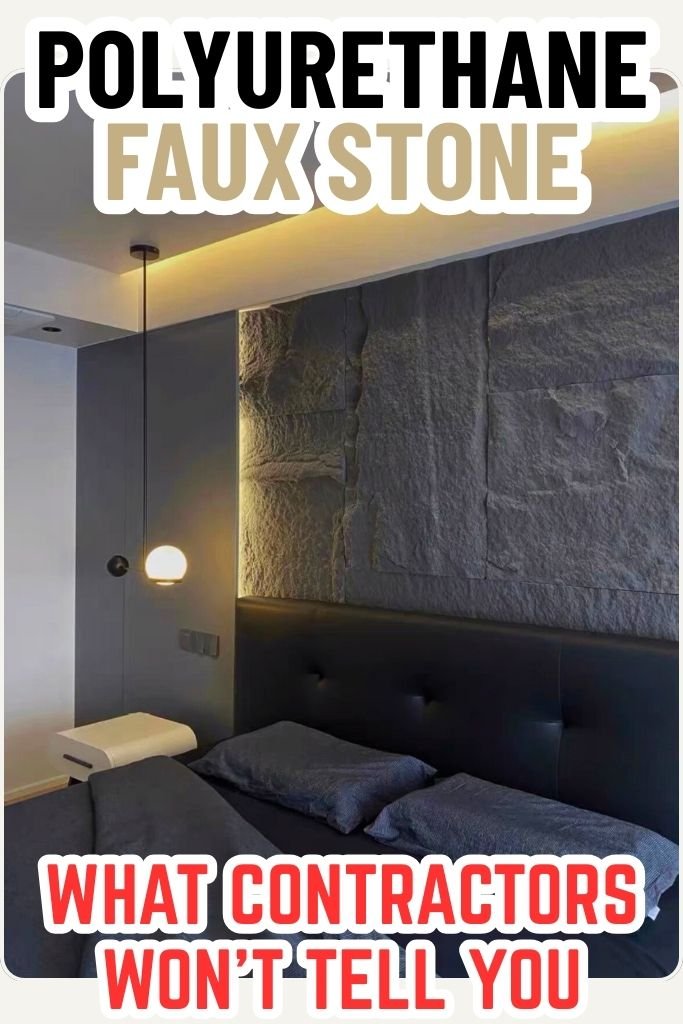
1. Best Indoor Applications: Accent walls in living rooms draw attention, while lighter materials work well in basements because of weight limits. Home offices can look stylish without spending much, and bedrooms gain texture from feature walls behind beds. I have successfully used these ideas in my projects.
2. Exterior Project Ideas: Sections of entry walls improve curb appeal, and decorative trim and columns add charm. Garden shed exteriors can handle these materials, but I avoid covering entire houses because larger surfaces age poorly.
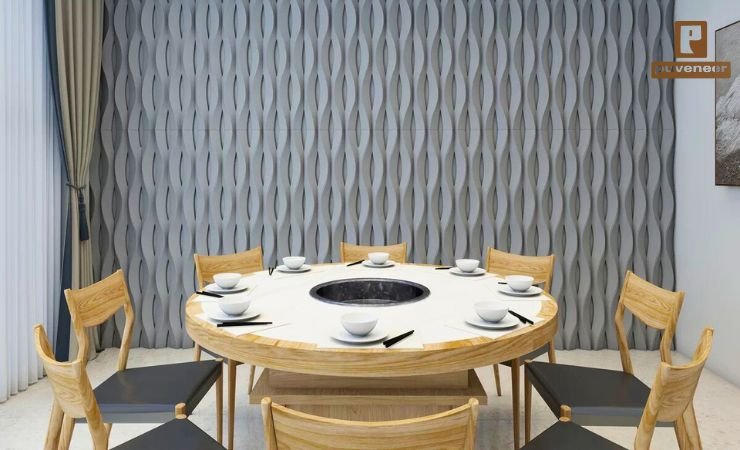
3. Commercial Applications: Retail stores can quickly update their appearance, restaurants can create themed dining areas, and office lobbies can look professional on a budget, all with minimal business interruption due to fast installation.
4. Locations to Avoid: I do not use it near grills, open fire pits, or in busy areas. I also avoid it in projects that need structural support or in historical restorations where keeping authenticity is crucial.

Maintenance Requirements
1. How to Clean the Surface: Most dirt can be cleaned with mild dish soap and water. I use a soft brush for textured areas. I avoid pressure washers because they can damage the surface. Cleaning twice a year keeps the panels looking fresh.
2. Regular Maintenance Tasks: There is very little to do. I check the sealed edges once a year for any separation. I look for loose panels and re-glue them if needed. Unlike real stone, which needs re-pointing and sealing, this material requires almost no maintenance.
3. Fixing Damaged Panels: If a panel gets damaged, I replace it rather than try to fix it. I keep extra panels from every job for future repairs. Patching dents or cracks draws more attention to the damage. Replacement takes only a few minutes if you save leftover pieces.
Does It Increase Home Resale Value?
Buyers like the updated look when they walk through your home. Appraisers don’t usually include it in their valuations. It can help your home show better and may help it sell faster, but don’t expect to get back every dollar you spent.
Common Questions I Often Answer
1. Is this material completely waterproof?
It does resist water well, but you need to seal the edges properly. I’ve seen water damage caused by poor installation, not by the material itself.
2. Can I paint these panels a different color?
Yes, you can use exterior acrylic paint made for plastic surfaces. I have successfully repainted the panels several times.
3. Will the panels crack like real stone?
No, they don’t crack, but they can get dents from impacts. It’s a different problem, but it looks the same.
4. How many years can I expect these to last?
With sound installation and minimal exposure to extreme conditions, they typically last 10-20 years. Panels outside in harsh sunlight may fade faster.
5. Should I choose this over concrete stone veneer?
Only if weight, speed, and budget are more important than realism and longevity for your situation.
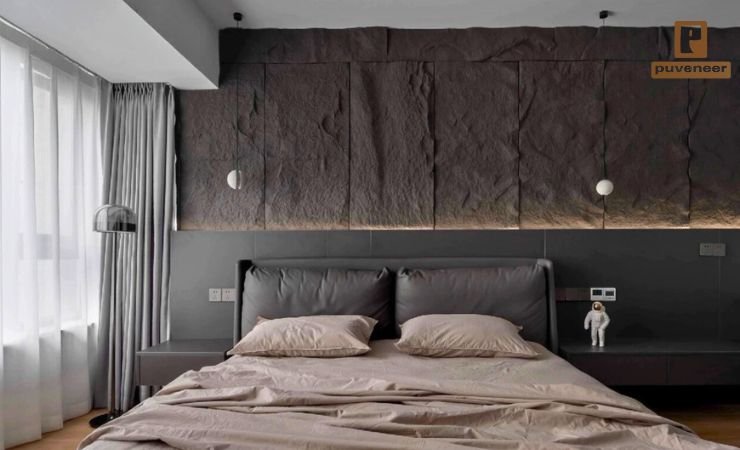
This material is excellent for quick decorative upgrades when you need to save weight and cost. It gives good results, but whether it’s suitable for you depends on your goals.
I’ve shared my hands-on experience, and now you can decide if it fits your needs. If you have any questions, suggestions, or need services, we are here for you.