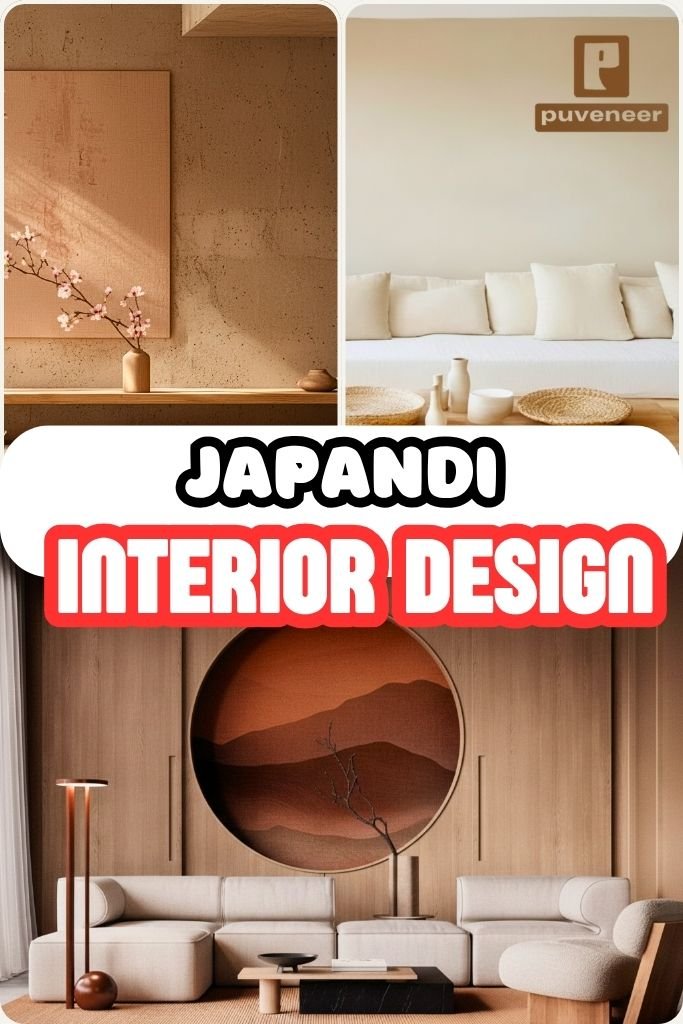
I have always liked the simple and elegant style of Japandi Interior Design. Learning how to achieve this style can help create a calm and welcoming atmosphere in my home. Japandi is great for those who appreciate the minimalist look of Japanese design combined with the warmth of Scandinavian decor.
This style focuses on balancing simplicity and functionality, helping to make spaces feel serene. As I explored Japandi further, I found that it’s about more than just appearance; it’s also about the feeling it brings. With the right mix of materials, colors, and textures, anyone can create a beautiful and timeless Japandi-inspired space.
In this article, I will share my knowledge and tips for achieving a stunning interior design so you can create your own space.
Why Japandi Style Works for Modern Living Spaces
Getting the style right in interior design can greatly change a room’s look and feel. This type of Interior design is a perfect example. It can transform a space, making it feel more spacious, calm, and inviting.
A key feature of Japandi design is its use of natural light, which creates warmth and coziness. By adding wooden accents, plants, and soft fabrics, you can create a welcoming and relaxing space.
Japandi design is also practical and durable. This style focuses on simplicity and minimalism, which means less clutter and easier maintenance.
How to Add Texture to a Minimalist Japandi Space
Japandi design often uses natural materials like wood and bamboo. These materials are strong and long-lasting. Choosing them helps you create a beautiful and easy-to-care-for space. One great thing about Japandi design is that it is simple to achieve, even for beginners.
You don’t need complicated designs or fancy patterns. With a few easy changes and basic design knowledge, anyone can create a Japandi-inspired space.
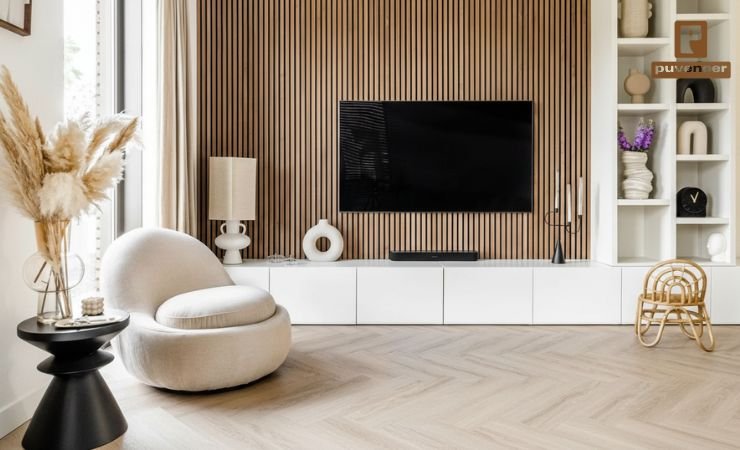
To achieve Japandi design, pay attention to the details. For instance, I added a wooden accent wall in my living room, and it completely changed the atmosphere.
The natural texture and warmth of the wood made the room feel cozy and created a nice focal point. By focusing on these small details, you can create a space that truly reflects the Japandi style.
Core Design Principles Behind Japandi Interiors
Japandi design highlights a balance between simplicity and functionality. It combines the minimalist style of Japanese design, with its clean lines and limited colors, and the warmth of Scandinavian decor, which includes wooden accents, soft textiles, and natural materials. This blend creates spaces that feel calm and inviting.
Natural materials are key in Japandi design. Wood, bamboo, and plants add warmth and texture to a room. Soft textiles like wool, linen, and cotton contribute to a cozy atmosphere.
Japandi design aims to create harmony and balance. By using natural materials, simple shapes, and a limited color palette, you can achieve a serene space. It also uses negative space and minimal decoration to maintain simplicity and elegance.
Essential Materials and Elements for a Japandi Look
Reclaimed Wood Accent Wall: Use reclaimed wood to create a warm and textured accent wall in your living room or bedroom. This wall can serve as a beautiful focal point. You can also use reclaimed wood to make a headboard or coffee table. If needed, engineered wood or plywood can be good substitutes.
Bamboo Flooring: A great choice for Japandi design. It is durable, sustainable, and easy to maintain. Choose a natural finish to add warmth and coziness to your space. You can also use bamboo flooring to make a kitchen island or dining table. Hardwood flooring is another option.
Woven Baskets: Add texture and interest to a Japandi space. Use them to store books, magazines, or other decorative items. Choose natural fibers like wicker or rattan for durability and eco-friendliness. These baskets can also help create a practical storage system in your closet or pantry.
Soft Textiles: Use wool or linen to add comfort to your Japandi space. You can make throw blankets, pillows, or duvet covers. These materials are durable and easy to clean, making them practical for everyday use. Cotton or silk can be alternatives.
Low-Maintenance Plants: Add life and energy to your Japandi space with natural plants. Choose low-maintenance options like succulents or air plants, which require little care. You can use these plants to create a beautiful herb garden or a peaceful outdoor space.
Basic Tools You’ll Need for Simple Interior Updates
- Tape Measure: Use this to measure spaces and materials.
- Level: This helps you make sure surfaces are even.
- Hammer: Use a hammer to hang pictures or shelves.
- Drill: This is for making holes or driving screws.
- Sandpaper: Use sandpaper to smooth down surfaces or edges.
- Paintbrush: Use this for applying paint or stain.
- Measuring Cup: This is for measuring and mixing materials.
Step-by-Step Guide to Designing a Japandi-Inspired Room
Choosing a Natural and Balanced Color Palette
Start by choosing a limited color palette with natural colors like beige, gray, and blue. You can also add a bold accent wall or a standout piece of furniture for a pop of color. Make sure the colors match natural materials like wood and bamboo to create a harmonious space. As you paint the walls, pay attention to how the colors affect the room’s mood.
Layering Natural Textures for Warmth and Depth
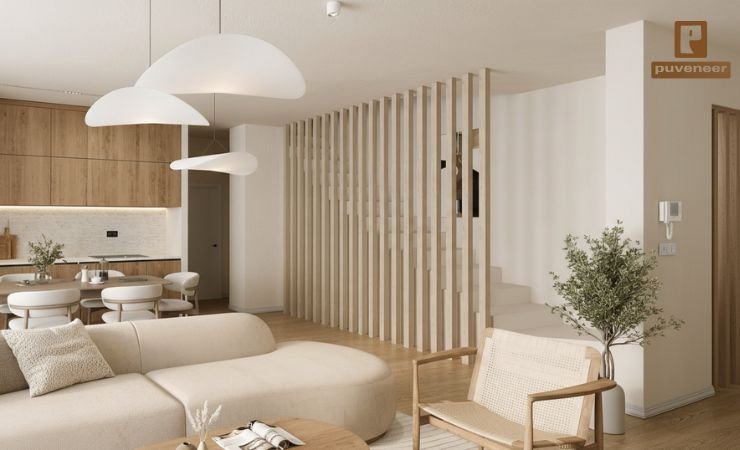
Choose colors and add natural textures like wood, woven baskets, and soft fabrics to make your space feel warm and inviting. Think about the atmosphere you want to create. For example, use a woven basket to store magazines and a soft throw blanket to make the couch cozy. Touching these textures enhances the room’s experience.
Using Indoor Plants to Enhance Calmness
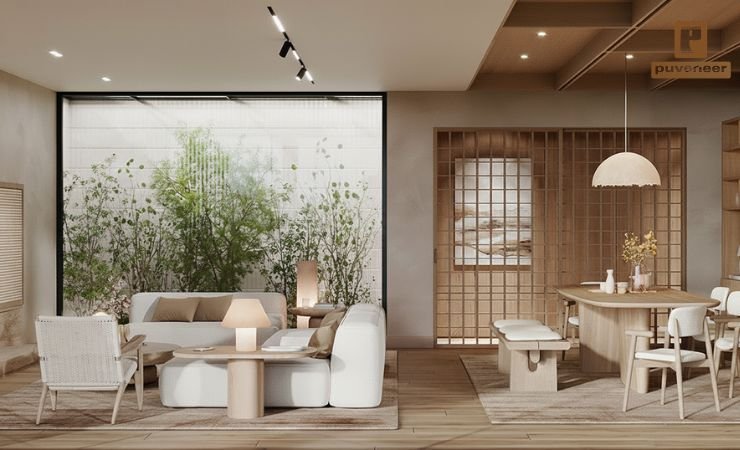
Add plants to make your Japandi space feel lively. Choose easy-to-care-for plants, such as succulents or air plants. Consider how the plants match your furniture and decor. It’s important to have balance. As you water the plants, pay attention to the soil’s smell and the sound of the water. Enjoy these details as part of your experience in the space.
Keeping Decor Minimal Without Feeling Empty
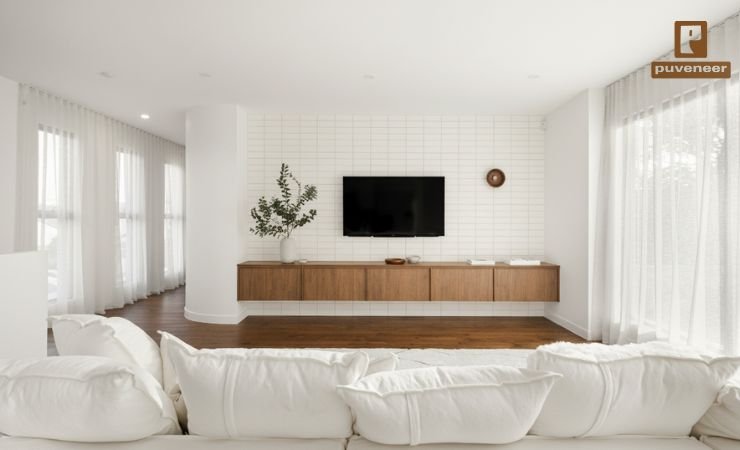
Keep your decor simple in Japandi design. Choose a few standout pieces, like a bold artwork or a unique vase, to add interest. Avoid clutter by not filling the space with too many objects. Focus on the space around decorations to maintain balance. As you place the artwork or vase, notice how it captures attention and serves as a focal point.
Optimizing Lighting for a Soft, Relaxing Atmosphere
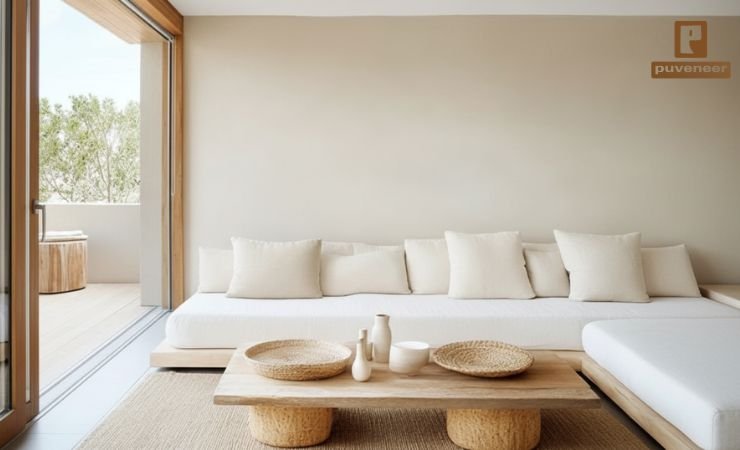
Consider the lighting in your space. Use as much natural light as you can. Add table lamps or floor lamps to create warmth. Think about the atmosphere you want. For example, string lights can make the space feel cozy, while a floor lamp can brighten it. When you turn on the lights, observe how they change the mood.
Common Japandi Design Mistakes and How to Avoid Them
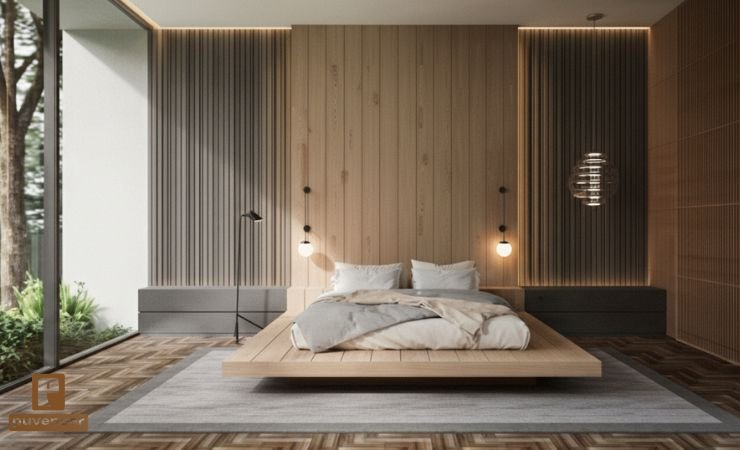
Common Beginner Mistake: A frequent mistake beginners make in Japandi design is adding too many decorations. Japandi is all about minimalism, so keep your decor simple. I made this mistake in my home and learned that less really is more. By reducing the decor, I created a calm and serene atmosphere.
Texture Troubleshooting: If you struggle to add texture to your Japandi space, try using a few throw blankets or pillows made from natural materials like wool or linen. These can add depth and warmth, making the room feel cozy. From my experience, texture can greatly influence a space, and often the simplest details have the biggest impact.
Timing and Temperature: When working with natural materials like wood and bamboo, pay attention to timing and temperature. For instance, wood can change size at different temperatures. Always acclimate the material before installing it. Checking the temperature and humidity in my home before using natural materials significantly improves the final result.
Application Insight: A key point often missed in Japandi design is the value of negative space. Balance and harmony are essential, so don’t hesitate to leave some areas empty to create a sense of calm in the room and highlight the beautiful natural materials and textures.
Shortcut: A time-saving tip for achieving Japandi design is to use pre-made decorative items, like woven baskets or throw blankets. These can add texture and warmth to your space. Starting with pre-made elements is an easy way to begin with Japandi design, and you can add your own touches later.
Design Options for Every Home
To create a Japandi space, you can choose a budget-friendly option by using reclaimed wood or second-hand furniture for a unique look. For a premium option, consider high-end materials such as solid hardwood or luxurious textiles.
You can also change the style direction to give the space a more modern or rustic feel based on your taste. Adding a bold piece of artwork or a statement light fixture can bring drama and contrast. Additionally, consider swapping materials for bamboo or rattan to create a more sustainable, eco-friendly space.
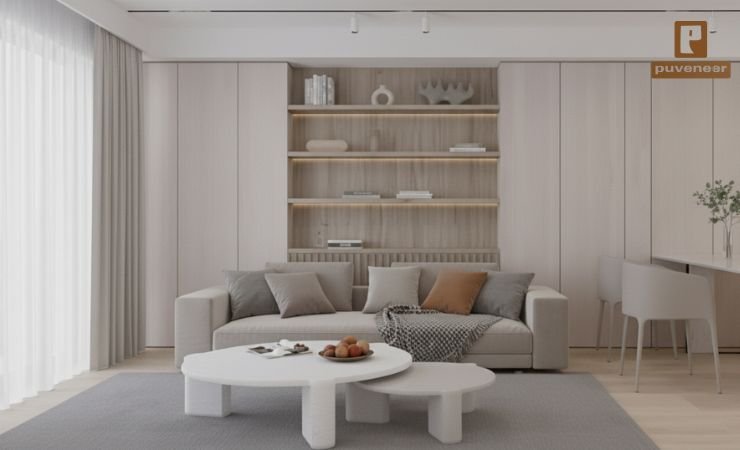
What Your Space Will Feel Like After the Transformation
After you create your Japandi space, you can expect a calming and serene atmosphere that is hard to find in other design styles. Natural materials and textures will bring warmth and coziness to the area, while minimal decor will promote balance and harmony.
When you enter the room, you’ll see how natural light enhances the beautiful textures and materials. You’ll feel peaceful and relaxed, allowing you to unwind in the space. The drying or curing time for any materials you use will depend on the specific product and conditions.
However, with proper care and maintenance, your Japandi space can last for years.
Maintenance Tips to Keep Your Japandi Interior Looking New
Routine Cleaning and Care: To keep your Japandi space looking good, perform regular maintenance, such as dusting and vacuuming. Also, polish or refinish any wood or bamboo items to keep them looking their best. Use a soft cloth and mild cleaner for dusting and cleaning. A polishing cloth can help restore the shine of wood or bamboo.
Fixing Wear and Damage Over Time: If you notice any damage or wear on your Japandi pieces, consider touch-ups or repairs, which may include re-staining or refinishing wooden items or replacing broken ones. You can use a touch-up pen or a small brush to fix scratches or scuffs, and replace damaged parts with new wood or bamboo.
How Long Japandi Interiors Typically Last: With proper care, your Japandi space can last many years. The natural materials and simple design give it a timeless feel. Expect it to last 10-15 years; with regular maintenance, it can last 20-30 years or more.
How Polyurethane Enhances Durability in Japandi Interiors
One important thing to consider is protecting natural materials like untreated wood and bamboo, which can wear down quickly with regular use.
Using polyurethane creates a clear protective layer that prevents moisture damage, especially in humid areas, protects against scratches, and keeps the natural grain intact without altering its appearance.
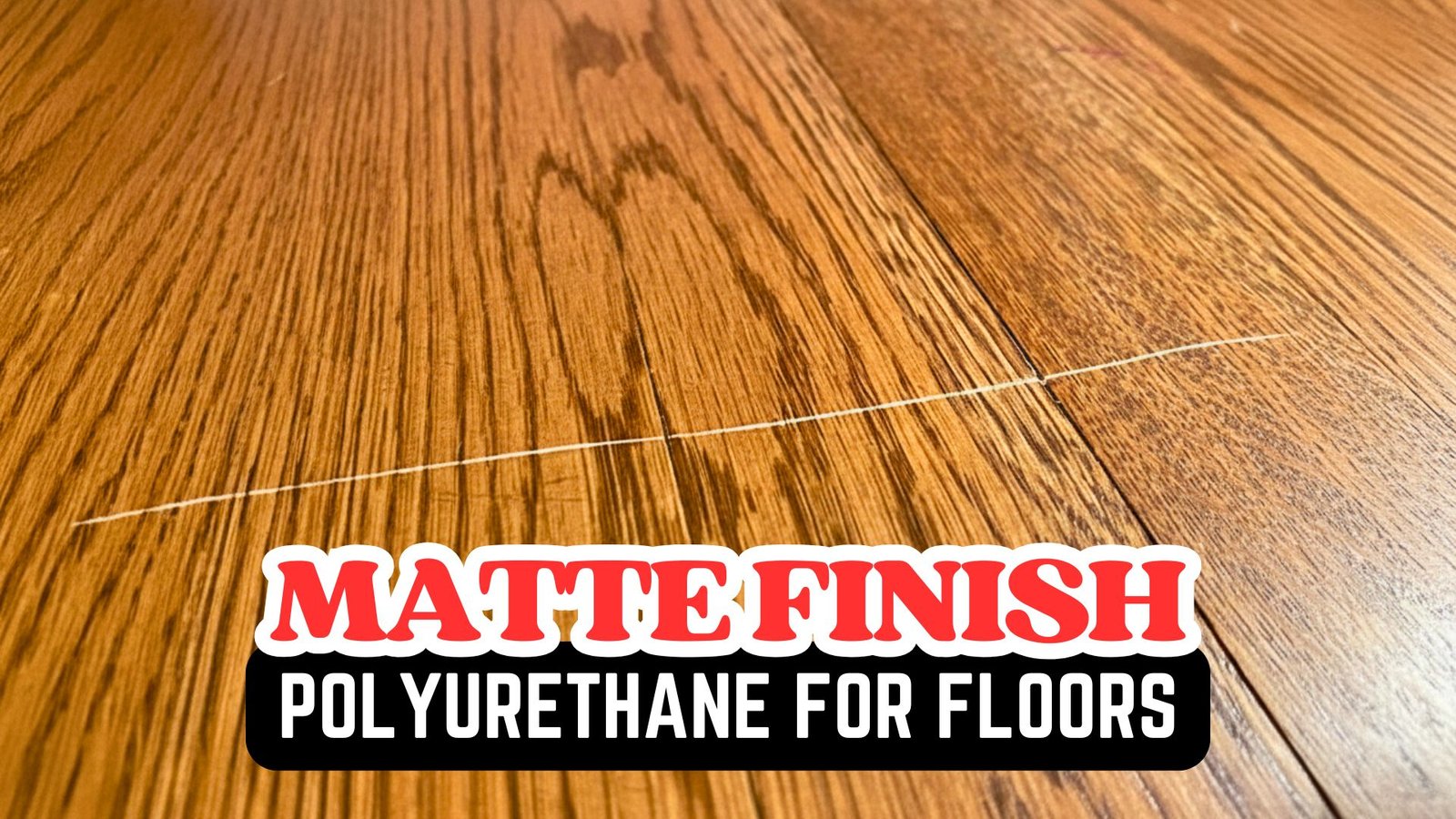
For a Japandi style, choose a matte or satin finish because glossy finishes can look fake. You can apply polyurethane to wooden accent walls, coffee tables, shelves, and floors.
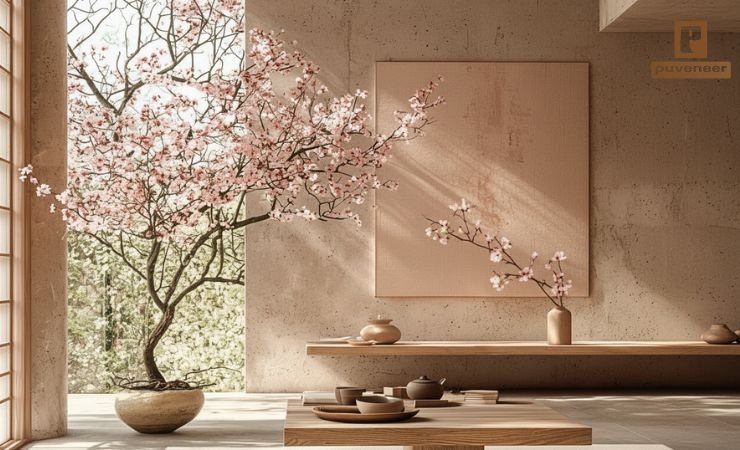
To achieve Japandi Interior Design, focus on creating balance and harmony in your space. Japandi design works well in small spaces because it creates a sense of openness and airiness.
To get this effect, use light colors, simple decor, and natural materials. This approach creates a balanced look in smaller areas.