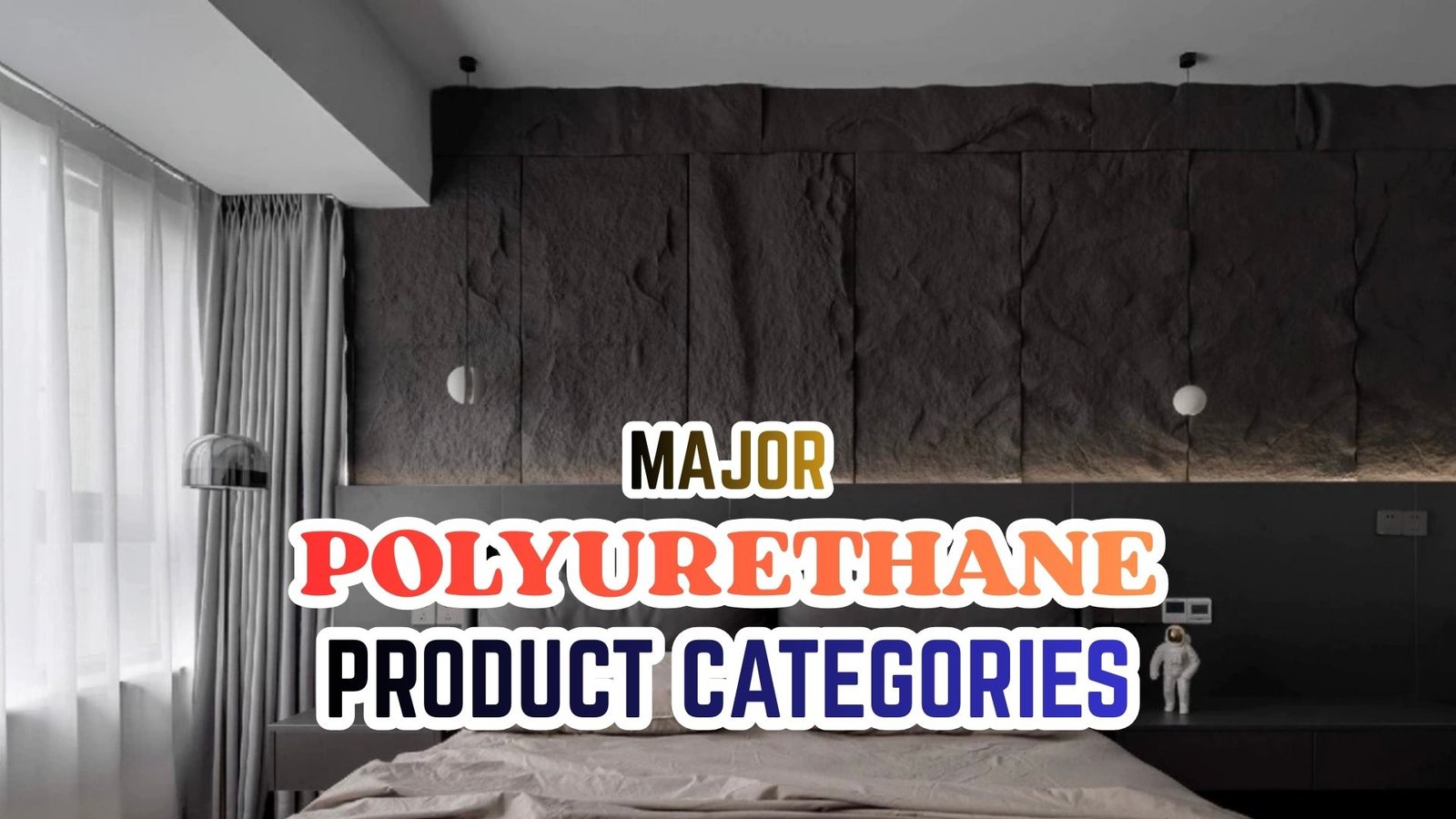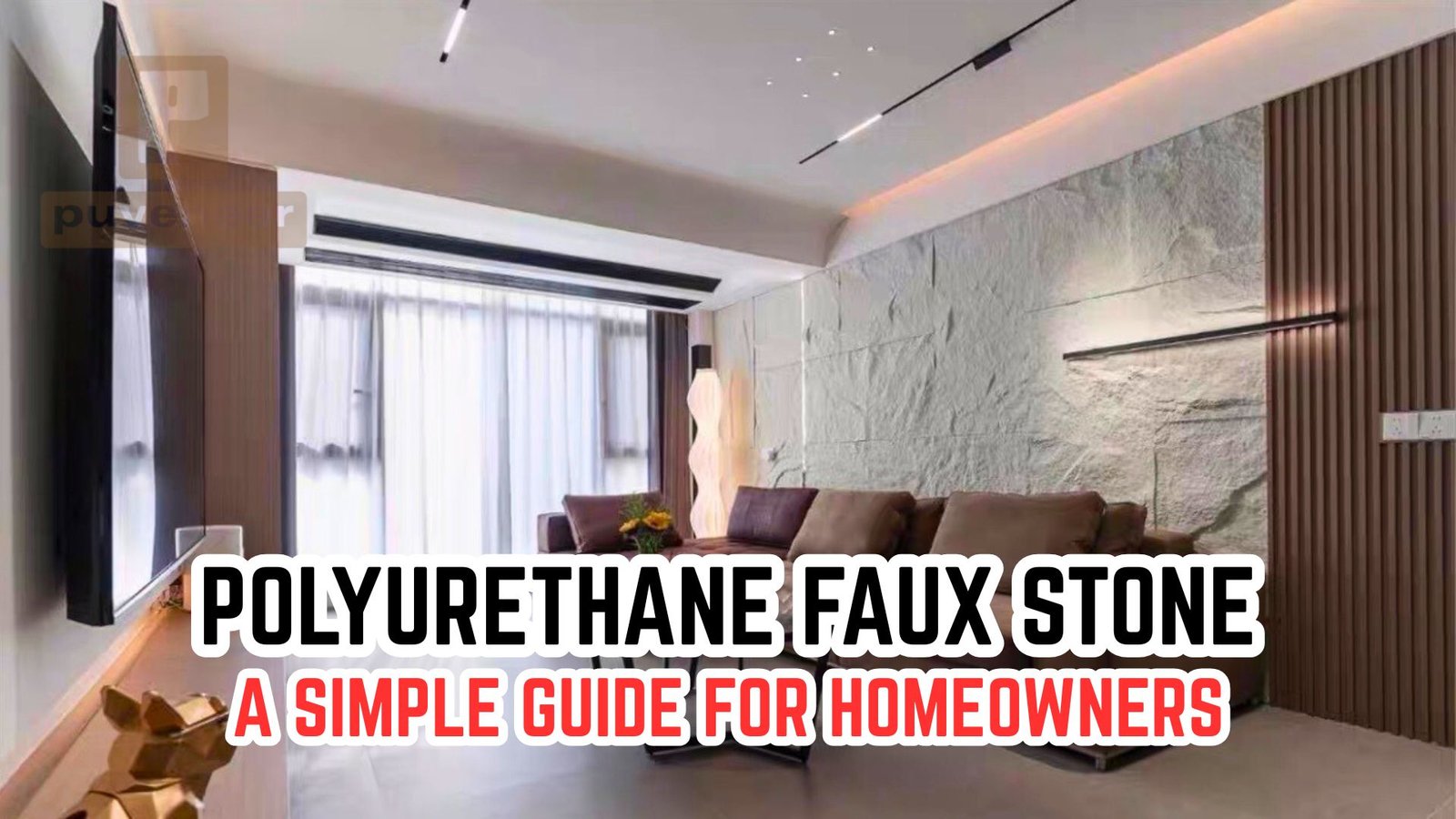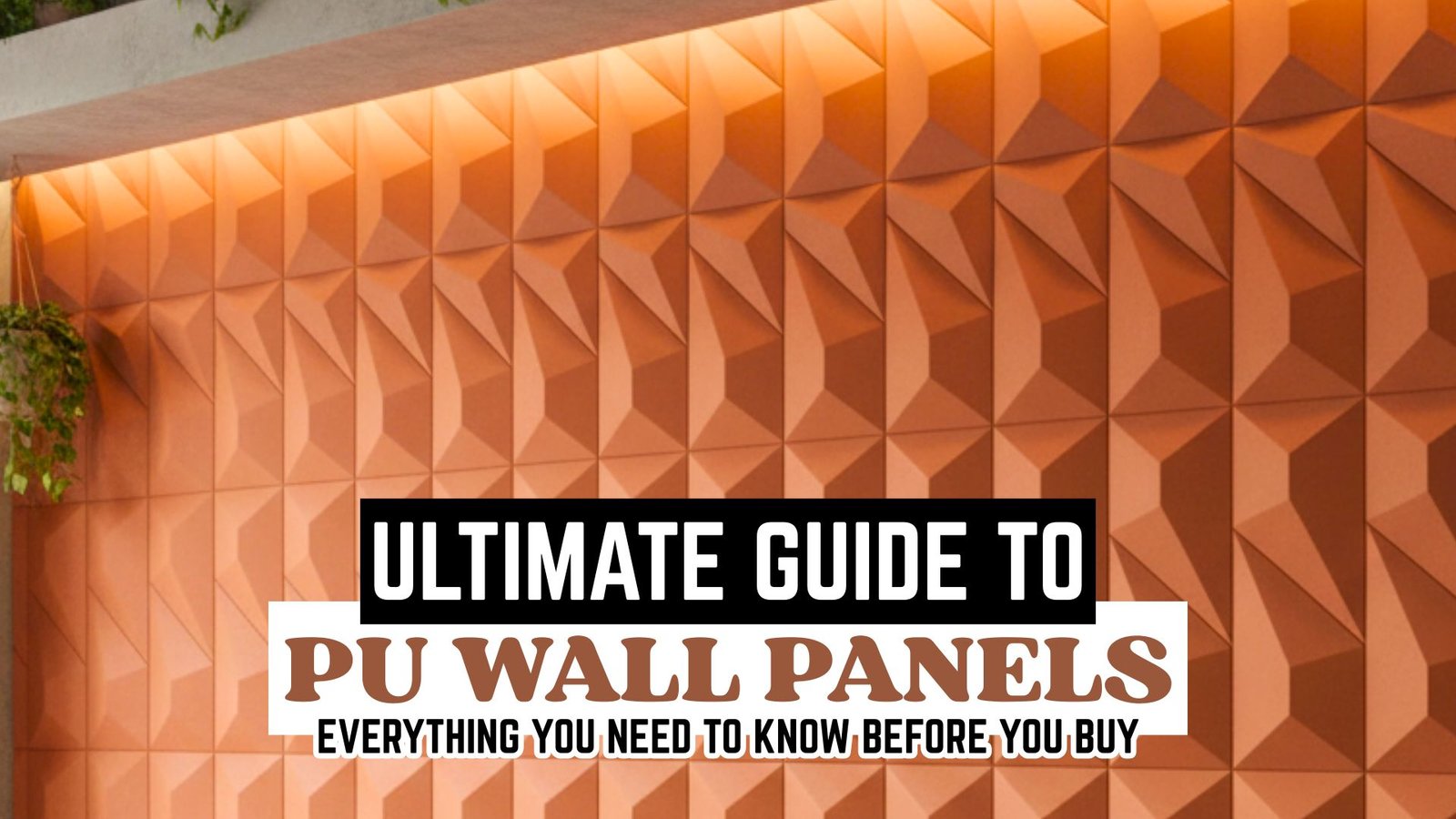
I’ve worked with building materials for a long time, and I can tell you that few products confuse buyers as much as PU wall panels. Some people think they are getting cheap plastic, while others expect them to act like real stone. Both groups often feel let down, but it’s usually not the panels’ fault.
The issue is a lack of understanding. To help with this, I created this Ultimate Guide to PU Wall Panels. By the end, you’ll know what these panels are made of, what they can do, and if they are the right choice for your wall.
What Does PU Actually Stand For?
PU stands for polyurethane, which is a type of plastic. It starts as two separate liquids that mix and expand into a dense, hard foam. This foam makes up the core of all PU wall panels available today.
It’s important to note that PU panels use rigid polyurethane, not the soft foam found in couch cushions. The foam in these panels has tiny closed air pockets. These pockets make the panel lightweight, water-resistant, and a mild insulator.
The foam’s density is key to its quality. Higher density means a stronger and longer-lasting panel. In the U.S., most panels have a density of 35-45 kg/m³. Panels on the lower end are good for light indoor decoration, while those on the higher end work better for outdoor walls or areas that experience more wear.
What Are PU Wall Panels Actually Made of?
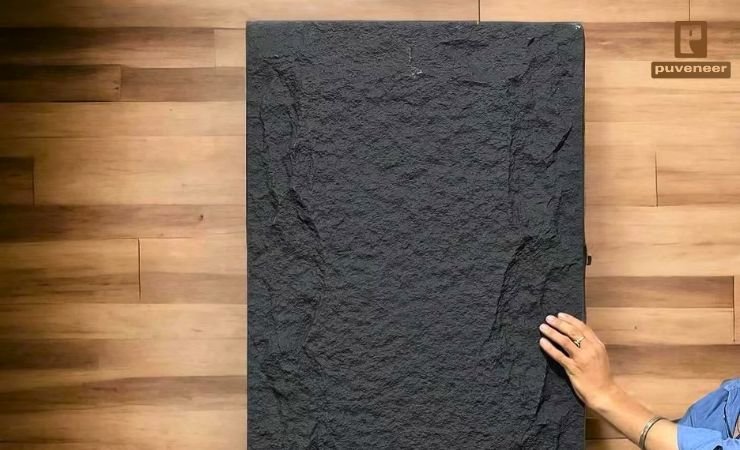
The panel you hold is made of rigid polyurethane foam, but it has features beyond foam. The front surface is shaped using a mold, usually made from a real piece of stone, brick, or wood, giving it an authentic look.
Manufacturers then add layers of paint to create depth of color and a UV-protective topcoat to help it resist sunlight. The back of the panel is flat and smooth, allowing it to fit neatly against your wall.
Higher-quality panels feature a reinforced backing layer for added strength, preventing bending when you press on them. Cheaper panels lack this feature, and you can feel the difference as soon as you pick one up.
How Are They Made?
The manufacturing process is simple but important to understand, as it helps determine quality. A factory starts by making a mold based on a real stone or brick surface. They inject liquid polyurethane into this mold, allowing it to expand and fill in every crack and texture.
Once the material hardens, workers cut the panel to the right size. Then, they apply paint and a UV coating, either by hand or with a machine, depending on the factory’s setup.
Types of PU Wall Panels
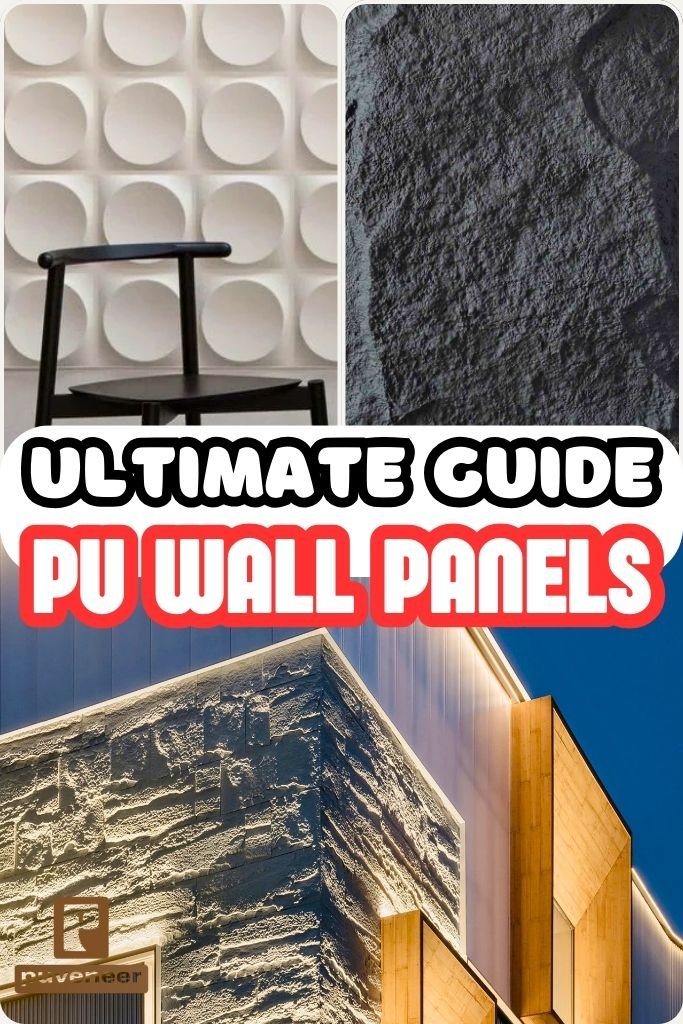
There are more wall panel options than many people think. The most popular choices in the U.S. are stone finish panels and rustic brick styles.
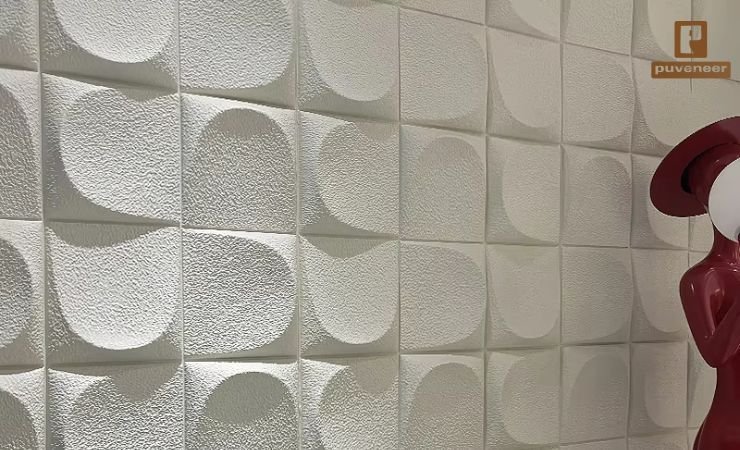
Other options include wood-plank textured panels, smooth 3D geometric panels, and panels designed for outdoor use. If you need to comply with building codes, you can also find fire-rated panels for commercial projects or specific spaces.
Choosing a style is a matter of personal preference. Still, you should decide on the grade based on the panel’s location and the conditions it will face. You can choose between indoor and outdoor panels, and between standard and fire-rated options.
What PU Wall Panels Can and Cannot Do
I want to be clear about this to avoid future problems. PU wall panels are decorative coverings. They are not meant to support weight and cannot replace real masonry for structural needs.
They give you the look of real brick or stone at a much lower cost and weight. PU panels also resist water well because of their closed-cell foam structure. Unlike drywall or wood, they won’t soak up moisture, making them good choices for bathrooms, kitchens, and covered outdoor accent walls.
They provide a bit of thermal insulation, enough to feel a small difference. Still, not enough to replace proper wall insulation; they do not block sound. They may reduce some echo in a room, but they won’t stop noise from traveling through walls. For soundproofing, you need a dedicated acoustic system.
It’s also important to understand their fire performance. PU panels are fire-retardant, meaning they slow down the spread of flames, but they are not fireproof. If they are near high heat, like a fireplace or grill, they can warp or melt. If your project needs a Class A fire rating, PU panels are not the right choice.
PU Wall Panels vs. The Competition
PU vs. Real Brick: Real brick is heavy and strong, designed to last for generations. It costs two to 3 times as much when labor is included. PU wall panels give you the look of brick without the weight, mess, or high masonry bills.
PU vs. PVC Wall Panels: PVC panels are thinner, more flexible, and usually cheaper. However, they look more plastic and less realistic than PU panels. If you are only concerned about cost, PVC is the better choice. If you want something that looks like real stone or brick from a distance, PU is the better option.
PU vs. Gypsum Board: Gypsum board is flat, paintable, and common in U.S. construction. It absorbs moisture over time and has no texture. In contrast, PU panels are textured and resist water. They serve different purposes, so this comparison highlights how PU panels provide an aesthetic that gypsum board cannot.
PU vs. WPC Panels: WPC stands for wood-plastic composite. These panels are heavier and denser than PU, making them more durable for some outdoor uses. However, they are harder to cut, more expensive, and offer fewer textures. For most home decorating projects, PU is the easier choice.
PU vs. FRP Panels: Fiberglass-reinforced plastic panels are tougher and designed for industrial or commercial environments that experience heavy wear and tear. They are too strong for a home living room or a restaurant feature wall. PU provides a better appearance at a lower cost for those settings.
Where Can You Use PU Wall Panels?
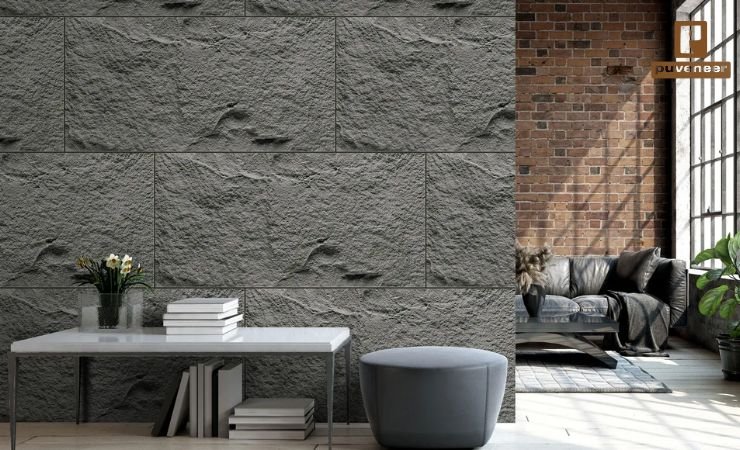
You can use these panels in various places, such as living rooms, bedrooms, home offices, retail spaces, and TV accent walls. They are also practical for bathrooms and kitchens, as they resist water as long as the joints are sealed properly.
For outdoor use, you can install them on covered patios, balcony feature walls, and accent sections, but make sure the panels are rated for outdoor conditions. Standard indoor panels won’t withstand direct sunlight and rain for long. Always check the product rating before installing outdoors.
Most homeowners with basic DIY comfort can handle a PU panel installation in a weekend.
How to Buy the Right Panel
High-quality PU wall panels usually last 15 to 20 years indoors with little maintenance. However, outdoors, they last only 5 to 15 years. Their lifespan depends on how much direct sunlight they get and if they have proper UV protection. Sunlight is the biggest threat to outdoor PU panels. Using a good UV topcoat can make a big difference.
Thickness: Use 10mm for light indoor decoration. The standard thickness for most home walls is 20mm. For outdoor areas or places that may get touched, choose 30mm or thicker.
Density: For anything beyond a simple accent wall in a bedroom, ensure the density is 40 kg/m³ or higher.
Surface Quality: Pick up the panel and examine it closely. A deep, consistent texture with varied paint tones shows it was made well. A flat, shiny surface usually indicates a low-quality product.
Health and Safety
PU wall panels are safe once they have cured completely. The concern is with lower-quality panels that might release VOCs (volatile organic compounds) in a closed space after installation.
From an environmental perspective, PU is made from plastic, so recycling options are limited. These panels last 15 to 20 years, which means you won’t have to replace them often, reducing overall waste.
There are times when these panels are not suitable. Do not use them near open flames or hot equipment. Avoid using them as structural or load-bearing walls.
Do not use them in industrial environments that need Class A fire ratings. Also, do not use standard indoor panels outside, as the sun will damage them more quickly than you think.
Frequently Asked Questions
Are PU wall panels water-resistant?
Yes, but they are not completely waterproof. It’s important to have sealed joints.
Can you install them over tiles?
Yes, if you use the right construction adhesive and ensure the surface is clean.
Can you paint PU panels?
Yes, you can. Just use paint that works well with plastic surfaces and the existing UV coating.
Do they fade in sunlight?
Panels with UV protection keep their color well. However, panels without this coating may fade noticeably in a couple of years when exposed to the outdoors.
Are they cheaper than brick?
Yes, they are much cheaper, both in material and installation costs.
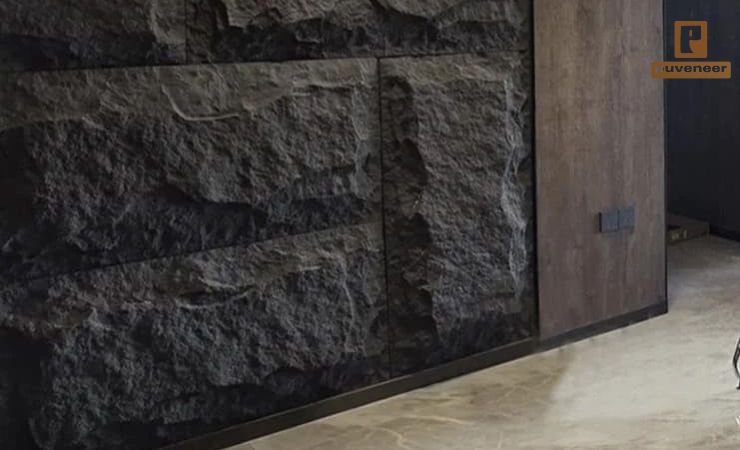
If you want the appearance of real stone or brick without the heavy work, structural changes, or high costs, PU wall panels are a smart choice. When used correctly for decorative cladding in homes, offices, and stores, they look great and perform well.
The most important thing is to buy quality panels. High-density, certified PU wall panels, when installed properly, will last for years. In contrast, low-quality panels from unknown sources will let you down in just a few months.
This guide to PU wall panels gives you everything you need to make a confident choice. Buy wisely, install correctly, and you’ll see great results.